

How to Change Your Last Name After Marriage in TX, FL, NC, PA, CA
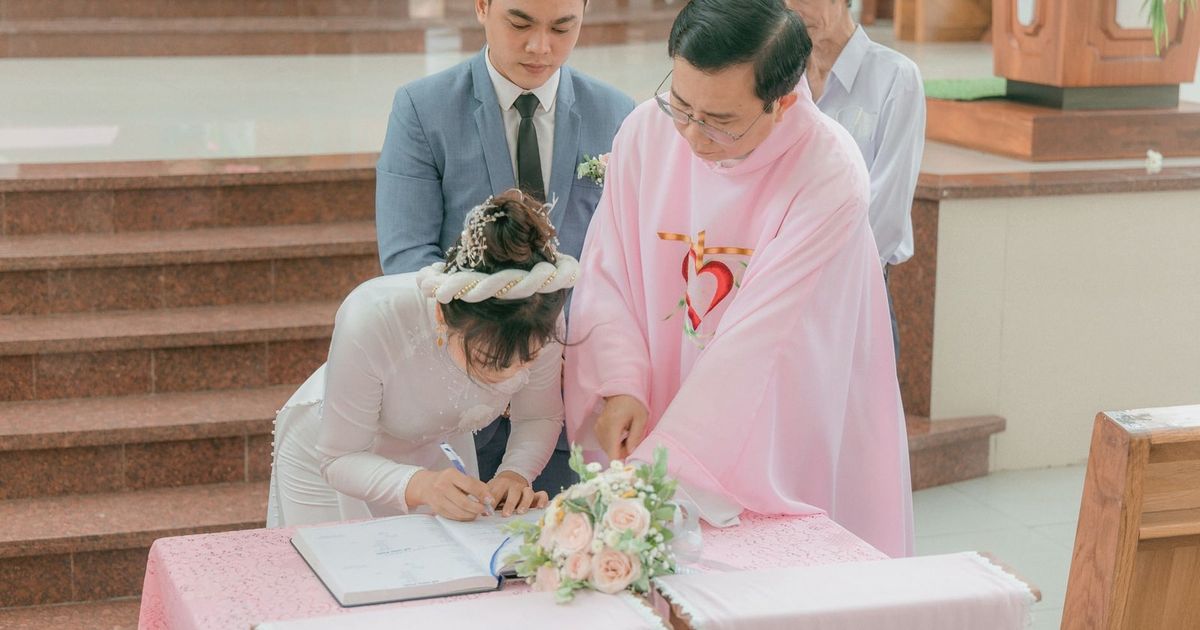
The order for changing your last name after marriage is the same in every state: get certified copies of your marriage certificate, update Social Security, visit your state DMV, then handle your passport and everything else. Where things differ is at the DMV window. Texas, Florida, North Carolina, Pennsylvania, and California each have their own fees, forms, and rules about whether you can skip the in-person trip. This guide walks you through the full sequence, with the specific DMV details for all five states, so you and your partner can knock out the paperwork without missed steps or mismatched records.
Key takeaways
- The correct order is always: certified marriage certificate → Social Security (free, about 1 to 3 weeks) → state DMV → passport → banks and everything else, because DMVs cross-check your name against SSA records.
- Order 3 to 10 certified copies of your marriage certificate at $5 to $30 each so you can submit to multiple agencies at the same time instead of waiting for one copy to come back.
- DMV fees range from roughly $11 in Texas to around $48 in Florida, and most states require an in-person visit for a name change on your license.
- California is the only state among these five that generally does not charge a separate fee for a marriage-related name change at the DMV.
- A passport name correction is free if your passport was issued less than one year ago (Form DS-5504); otherwise expect to pay about $130 for a standard renewal.
- There is no legal deadline to change your name after marriage. You can start the week after your wedding or years later without losing the option.
What's the Right Order to Change Your Name After Marriage?
The federal order is the same whether you live in Houston, Miami, or Los Angeles: certified marriage certificate → Social Security → driver's license or state ID → passport → banks, employer, insurance, voter registration, and other accounts. Every reliable federal source confirms this sequence, and skipping ahead causes real problems.
The reason order matters is that state DMVs electronically verify your name against Social Security's database. If your SSA record still shows your pre-marriage name when you show up at the DMV, the system can flag a mismatch and reject your application. USA.gov notes that other agencies learn of name changes through the SSA, which is why Social Security comes first.
Before you begin, order 3 to 10 certified copies of your marriage certificate from the county clerk or vital records office where you were married. Certified copies typically cost $5 to $30 each, depending on the jurisdiction. Having multiple copies lets you submit to SSA, the passport office, and your bank at the same time rather than waiting weeks for a single copy to return.
One thing that surprises many couples: there is no legal deadline to start the process. You can begin the week after your ceremony or several years later. Waiting does not affect your right to change your name.
How Do You Update Your Social Security Card and Passport After Marriage?
Social Security is the first agency you update, and it costs nothing. Fill out Form SS-5 (Application for a Social Security Card) and submit it with a certified marriage certificate and one current, unexpired photo ID such as a driver's license or passport. You can file in person at a local SSA office or by mail. Filing in person has one practical advantage: you get your original documents back immediately instead of waiting for them to arrive separately in the mail. Your new card typically arrives in 5 to 10 business days, and your Social Security number itself does not change.
A helpful detail: a replacement card issued because of a legal name change does not count against the federal cap of 3 replacement cards per year and 10 over a lifetime. So this step will never eat into your limited replacements.
Passport updates
If your passport was issued less than one year ago, you can correct the name for free using Form DS-5504. Mail the form with your current passport, certified marriage certificate, and a new passport photo. If your passport is older than one year, you'll need a standard renewal using Form DS-82 with a fee of approximately $130.
One important warning: you must mail in your current passport as part of either process. Do not start a passport name change right before international travel. Standard processing takes roughly 6 to 8 weeks, with expedited service running 2 to 3 weeks.
How to Change Your Last Name in Texas After Marriage
Bring your certified marriage certificate, current photo ID, and updated Social Security card to a Texas Department of Public Safety (DPS) driver license office. Texas requires an in-person visit for a name change on your license or REAL ID.
The fee for a corrected or replacement Texas driver license is roughly $11 to $33, depending on your license class and whether you're also upgrading to a REAL ID at the same time. Texas DPS allows you to schedule an appointment online to avoid long wait times, but the name-change transaction itself cannot be completed online.
Because fees and document requirements can be updated by the state, confirm current details on the Texas DPS website before your appointment. Bring your documents as originals or certified copies. Photocopies are not accepted.
How to Change Your Name After Marriage in Florida
Visit a Florida Highway Safety and Motor Vehicles (FLHSMV) office in person with your certified marriage certificate, current photo ID, and updated Social Security card. Florida does not currently offer an online option for changing the name on your driver license.
The typical fee for a Florida license or ID name change falls in the $25 to $48 range, depending on your license type and whether you are also obtaining a REAL ID. Florida's REAL ID requirements mean you'll also need to bring proof of Social Security number (your updated card works), two documents proving your residential address, and proof of identity.
Fees and required documents can change, so confirm the current list directly with FLHSMV or your local tax collector's office (which handles driver licenses in many Florida counties) before you go.
How to Legally Change Your Name in NC After Marriage
North Carolina DMV (NCDMV) requires a certified marriage certificate, your current ID, and proof of your updated Social Security record to issue a corrected license or ID card. An in-person visit is required.
The fee for a corrected or duplicate North Carolina license is typically in the $10 to $40 range, depending on whether you're replacing a standard license or upgrading to a REAL ID at the same time.
As in most states, a certified marriage certificate alone is sufficient in North Carolina. You do not need a separate court order for a straightforward marital name change (taking your spouse's surname, hyphenating, or combining surnames). Check the NCDMV website for current fees before your visit, since amounts can be adjusted periodically.
How to Legally Change Your Name in PA After Marriage
Pennsylvania's PennDOT requires a certified marriage certificate, your current photo ID, and an updated Social Security record to issue a corrected driver license or ID. A REAL ID name change typically requires an in-person visit, though PennDOT has allowed some limited license updates by mail or online in the past.
The fee for a corrected Pennsylvania license or ID is commonly in the $30 to $40 range. If you're obtaining a REAL ID for the first time or renewing into a REAL ID, you'll also need to bring your Social Security card, proof of all legal name changes (your marriage certificate covers this), and two proofs of current Pennsylvania address.
Because PennDOT's online eligibility can change, confirm current requirements on their website before assuming you can handle this remotely. For most name changes tied to marriage, plan on an in-person trip.
What's Different About a California Name Change After Marriage?
California stands out among these five states because the DMV generally does not charge a separate fee for a name change that results from marriage. You'll still need to bring your certified marriage certificate, current photo ID, and proof of your updated Social Security record to a California DMV office.
California also offers more flexibility in how you complete the update. Depending on whether the DMV needs a new photo, you may be able to handle some of the process online or by mail, in addition to visiting in person.
One important limit: if the name you want isn't a straightforward combination of either spouse's existing surname (for example, you want an entirely new surname unrelated to either partner), California may require a separate court petition rather than accepting the marriage certificate alone. For standard changes like taking a spouse's last name, hyphenating, or combining both surnames, the marriage certificate route works fine. Check the California DMV site for current forms and any REAL ID documentation requirements before your visit.
How Do Name Change Costs and Timelines Compare Across States?
Here's how the DMV step compares across all five states:
| State | DMV Fee Range | In-Person Required? | Typical Processing Time |
|---|---|---|---|
| Texas (DPS) | $11 – $33 | Yes | Same day (new card mailed in 2–3 weeks) |
| Florida (FLHSMV) | $25 – $48 | Yes | Same day (new card mailed in 1–3 weeks) |
| North Carolina (NCDMV) | $10 – $40 | Yes | Same day (new card mailed in 2–3 weeks) |
| Pennsylvania (PennDOT) | $30 – $40 | Usually yes (varies for non-REAL ID) | Same day (new card mailed in 1–3 weeks) |
| California (DMV) | $0 for marriage-related change | Often yes, some options by mail/online | Same day (new card mailed in 1–3 weeks) |
Fees and processing times can change. Verify current amounts on the relevant state DMV website before your appointment.
Full federal-steps checklist
- Certified marriage certificate copies (3–10 copies, $5–$30 each)
- Social Security Administration (Form SS-5, free, 1–3 weeks)
- State DMV (see state table above)
- Passport (free within 1 year via DS-5504, otherwise ~$130 via DS-82, 2–8 weeks)
- Banks, employer, payroll, insurance, voter registration, and memberships (no set order, tackle in parallel)
With both partners potentially making updates at the same time, it helps to track which agencies each of you still needs to contact. Neptune's Blueprint can help you and your partner organize financial and legal to-dos like name changes as part of your broader plan for combining your lives after the wedding.
Frequently asked questions
Is there a deadline to change your name after marriage?
No. There is no legal deadline to change your name after marriage in any U.S. state. You can start the process the week after your wedding or years later. Waiting does not affect your right to use your married name or limit the agencies that will accept your marriage certificate as proof of the change.
How much does it cost to change your name after marriage?
The Social Security card update is free. State DMV fees range from $0 in California (for a marriage-related change) to roughly $48 in Florida. Certified copies of your marriage certificate typically run $5 to $30 each, and you should order at least 3 to 10. A passport name correction is free if your passport was issued less than one year ago; otherwise, expect about $130 for a standard renewal.
Does getting married automatically change your legal name?
No. Getting married does not automatically update your name on any government record. Your marriage certificate documents the new name, but you must individually update each agency, starting with the Social Security Administration, then your state DMV, passport, bank accounts, and other records.
Can you use a hyphenated or combined last name after marriage?
Yes. In most states, including Texas, Florida, North Carolina, Pennsylvania, and California, a marriage certificate is sufficient proof for a hyphenated or combined surname that draws from either spouse's existing legal name. If you want an entirely new name unrelated to either spouse's surname, some states may require a separate court petition.
What documents do you need to change your name after marriage?
You generally need a certified copy of your marriage certificate (not a photocopy), a current unexpired photo ID such as a driver's license or passport, and your Social Security card. For the DMV step, most states also require proof of your updated Social Security record and, for REAL ID, proof of current residential address. Exact document lists vary by state.
Can you change your name back if you later get divorced?
Yes. In most states, you can request a name change back to your former name as part of the divorce decree. If you don't address it during the divorce, you can typically file a separate court petition afterward to restore your prior name.
Do you need a lawyer or court order to change your name after marriage?
For a straightforward marital name change (taking a spouse's surname, hyphenating, or combining surnames), you do not need a lawyer or court order in any of these five states. A certified marriage certificate is accepted as sufficient proof by the SSA, state DMVs, and the passport office. A court petition may be needed only if the desired name is not a recognizable combination of either spouse's existing legal name.
Can you keep your maiden name for work while using your married name personally?
Yes. You can legally use your pre-marriage name in professional settings while using your married name in personal life. The key is maintaining consistency within each context and ensuring your legal documents (tax returns, Social Security records) match. Some licensed professionals, such as healthcare providers, should update their licensing boards to avoid credential mismatches.

Written by
Ronke Oyekunle
Co-Founder & COO, Neptune

Reviewed by
Michael Cotugno, Esq.
Managing Partner, Neptune Legal · 30+ years practicing family law
Michael has been practicing family law for more than 30 years and as Managing Partner of Neptune Legal, he is widely recognized for his expertise in premarital agreements and estate plans. After spending the first two decades of his career handling family law litigation, he saw firsthand the emotional and financial costs couples often face when issues are not clearly addressed early on. This experience led him to focus his practice on helping clients proactively create thoughtful, well-structured agreements.